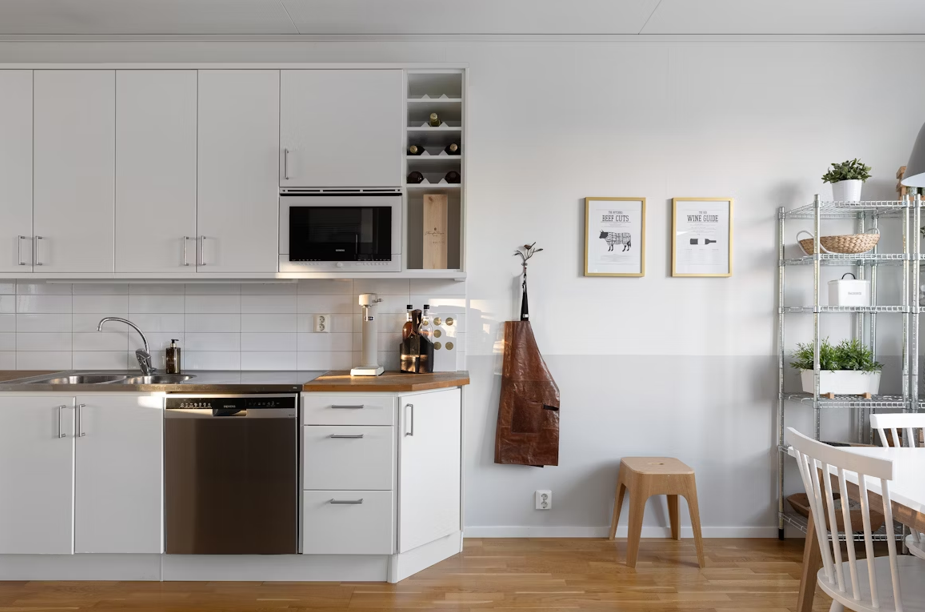
You can usually tell a lot about a home within the first few seconds of stepping inside. Not because of expensive furniture or perfect decoration, but because of how the place feels. Some homes instantly feel calm and welcoming. Others feel crowded before you even take your shoes off.
Most of the time, the difference comes from the way the entrance and living area are arranged.
A messy hallway affects the whole mood of the house. Shoes lying around, poor lighting, random furniture pushed against walls, or too many decorative pieces can make even a good interior feel uncomfortable. At the same time, a simple space with decent storage, warm lighting, and enough breathing room often feels far more inviting.
People sometimes spend months planning their living room while completely ignoring the entrance. But the entryway is the first pause point inside the house. It sets the mood before anyone reaches the seating area.
The good part is that fixing this does not always require major changes. Small adjustments often work better than complete makeovers.
The Entrance Should Feel Easy, Not Overdecorated
A lot of entryways fail because people try to fill them with too much stuff. A narrow bench, oversized décor, heavy wall colours, multiple frames, baskets, and extra furniture can make the area feel tighter than it actually is.
A cleaner setup usually works better.
If the hallway is small, lighter shades help open things up visually. Warm whites, soft earthy tones, muted beige, and natural wood textures keep the space relaxed. Bright white can sometimes feel cold, so slightly warmer tones tend to work better in homes people actually live in every day.
Lighting changes everything here.
One harsh ceiling light can make the entrance feel flat and uncomfortable at night. Softer lighting creates a very different mood. Even a small lamp near the entrance table or a warm wall light can make the space feel calmer after a long day.
Mirrors help too, especially in apartments where the hallway feels narrow. They bounce light around naturally and stop the area from feeling boxed in.
Textures matter more than most people notice. Wood, woven fabric, cotton runners, soft rugs, and natural materials prevent the entrance from feeling dull. Without texture, the space can end up looking lifeless even if the furniture is expensive.
The main thing is keeping movement easy. Nobody wants to squeeze through furniture every time they enter the house.
Why Entryway Storage Makes Daily Life Easier
A beautiful entrance never stays beautiful if there is nowhere to keep everyday things.
This is where storage becomes more important than decoration.
People need practical spots for shoes, bags, keys, umbrellas, and small items they use daily. Otherwise clutter slowly spreads from the entrance into the rest of the house.
Closed storage usually helps the most because it hides visual mess quickly. Slim cabinets work well for smaller homes since they do not block movement. Storage benches are useful too because they serve more than one purpose.
Wall hooks are simple but genuinely helpful. Bags and jackets always need somewhere to go. Without hooks, they usually end up on dining chairs or sofas.

Floating shelves are another easy option for compact spaces. They keep smaller items organised without taking away floor space. A small tray for keys and wallets can save a surprising amount of frustration during busy mornings.
One mistake many people make is adding too many open shelves near the entrance. They often look good in photos but collect clutter very quickly in real life.
Minimal setups are easier to maintain.
And honestly, an organised entrance makes the whole house feel cleaner even when the rest of the home is not completely perfect.
Small Details That Make the Space Feel Warmer
Not every home needs dramatic décor. Sometimes small details make the biggest difference.
A runner rug near the entrance immediately softens the space. Bare flooring can feel cold, especially in hallways. A textured runner adds warmth without making the area feel heavy.
Plants also help more than people expect. Even one medium sized indoor plant near the doorway changes the feeling of the space. It adds freshness naturally without trying too hard.
Artwork works best when it feels personal instead of overly planned. One larger frame often looks better than several small pieces crowded together. Too much wall décor near the entrance can start feeling visually noisy.
The same goes for decorative items. A few thoughtful pieces usually create a stronger impression than shelves packed with accessories.
Homes feel more comfortable when they look lived in instead of staged.
Creating a Natural Flow Into the Living Room
Open layouts are common now, especially in apartments. In many homes, the entrance opens directly into the living room. If both areas feel disconnected, the entire house can feel awkward.
The easiest way to create flow is through repetition.
That does not mean matching everything perfectly. It just means carrying certain colours, textures, or materials from one area into another.
Wood finishes work particularly well for this. A wooden console near the entrance paired with wood coffee tables for living room layouts creates consistency without making the home feel repetitive.
Furniture placement matters too.
Large sofas pushed too close to the entrance can make the house feel cramped immediately. Leaving a little open space near the doorway changes how spacious the room feels.
Rugs can help separate zones without needing walls or dividers. In open homes, they quietly define the seating area while still keeping the layout connected.
People often focus too much on decoration and forget about movement. A home should feel easy to walk through. That matters more than having perfectly styled corners everywhere.
Living Rooms Should Feel Comfortable First
Some living rooms look impressive in photos but feel uncomfortable in real life.
There is either too much furniture, no practical storage, or layouts that make movement awkward.
A good living room should feel relaxed enough for everyday use. Comfort matters just as much as appearance.
Seating arrangement plays a huge role here. Furniture should encourage conversation instead of making the room feel blocked off. Oversized pieces can overwhelm smaller homes very quickly.
Multi purpose furniture helps a lot in compact spaces. Storage ottomans, nesting tables, and smaller side units make daily life easier without overcrowding the room.
Centre tables often become the visual focus naturally. Wooden finishes remain popular because they add warmth and work well with different interior styles. Many homeowners prefer wood coffee tables for living room spaces because they feel timeless without looking overly formal.
Entertainment areas need proper planning too. Visible wires, scattered remotes, and random electronics can make the room feel untidy fast. A living room tv cabinet with storage helps keep everything in one place while making the setup look cleaner overall.
Lighting is another thing people underestimate.
Only using ceiling lights can make the room feel flat during evenings. Floor lamps and table lamps create a softer atmosphere that feels much more comfortable at night.
The best living rooms are usually the ones that feel natural instead of overly designed.
Final Thoughts
A stylish home does not always come from expensive interiors or perfectly matching furniture.
What people remember most is how a place feels.
An organised entrance, comfortable seating, practical storage, warm lighting, and enough open space can completely change the mood of a home. These things make everyday life easier while also creating a better first impression for guests.
The goal is not perfection.
The goal is creating spaces that feel welcoming the moment someone walks through the door.