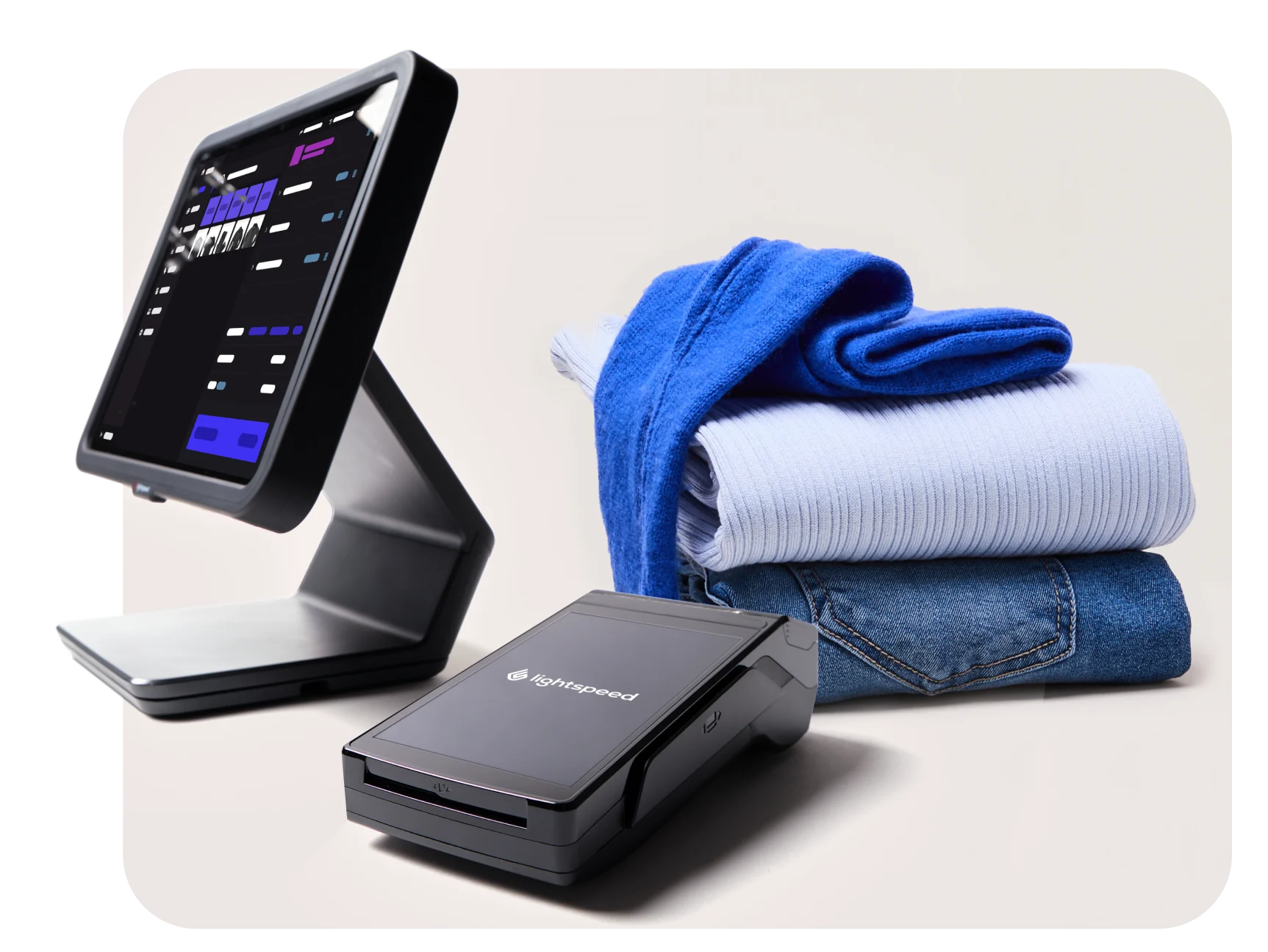
Walk into any well-run retail store today and you will experience far more technology than you probably realise. The staff member who checks your loyalty points on a handheld device, the digital display that updates pricing in real time, the self-checkout kiosk that processes your payment without a queue, the fitting room that suggests complementary items based on what you’ve picked up. None of it works without a wireless network that is built to handle it all.
Retail has quietly become one of the most connectivity-dependent industries in the world, and the businesses that are thriving are the ones that have stopped treating Wi-Fi as a background utility and started treating it as the operational backbone it is.
The old way of running retail connectivity
For a long time, most retailers approached their network the same way they approached the ceiling lights. Install it, switch it on, and only think about it again when something stops working.
That approach made sense when the only thing a store needed the internet for was processing card payments and sending end-of-day reports. But retail today looks nothing like that; inventory management runs on cloud platforms, staff communicate through connected devices and customer experience increasingly depends on digital touchpoints that need a stable, fast wireless network to function at all.
When that network is unreliable, the consequences are immediate and visible. A payment terminal that won’t connect during a busy Saturday afternoon. A stock management system that shows inaccurate numbers because it hasn’t synced properly. A customer-facing app that loads slowly enough to make someone put their phone away and walk out. These aren’t technical problems but rather business problems.
What a managed wireless network actually changes
The shift to a managed wireless network isn’t just about getting faster speeds. It’s about having infrastructure that is designed, monitored, and maintained with the specific demands of a retail environment in mind. In a retail setting, that means a few things that a standard broadband connection simply cannot guarantee.
- Coverage that accounts for how the space actually works
A retail floor has high footfall areas, stockrooms, checkout zones, and back-office spaces, all of which place different demands on the network. AI-assisted site surveys map all of this before a single access point is installed, which means dead zones and weak signal areas are eliminated at the planning stage rather than discovered after opening day.
- Performance that holds steady under real-world pressure
Business-grade infrastructure handles high device density and seamless roaming across the entire store. Whether a staff member is moving between the shop floor and the stockroom or a hundred customers are connected simultaneously, the network doesn’t buckle under the load.
- Issues resolved before anyone notices them
Proactive 24×7 monitoring means the network is watched continuously. Early issue detection ensures that anything which could cause disruption is identified and addressed in the background, before it affects a transaction, a customer interaction, or an operational process.
- Security that protects more than just the connection
A retail environment handles sensitive payment data and customer information every single day. A properly managed wireless business internet service includes advanced security controls and access management that keep that data protected without placing the burden of managing it on store staff.
- A network that grows as the business does
Opening a new location, adding a section to the floor, scaling up for seasonal demand: all of it happens within a framework built to expand without rebuilding from scratch. Growth becomes something the network supports rather than something it struggles to keep up with.
Why retail can’t afford to cut corners on connectivity
Customer expectations in retail have shifted considerably. People come into a store having already done research online, and they expect the in-store experience to match or exceed what they could get from their sofa. That puts enormous pressure on every digital touchpoint, and every digital touchpoint runs on the wireless business internet service underpinning the store.
A retailer that invests in the right network infrastructure is one that can offer seamless checkout experiences, accurate real-time inventory, personalised in-store engagement, and staff who are equipped to genuinely help rather than disappear to a back office to check a system. A retailer that doesn’t is one where those same processes become friction points that quietly push customers toward competitors.
The network is no longer just an operational requirement. It is part of what the customer experiences, even if they never think about it in those terms.
Where Spectra’s Managed Wi-Fi fits in
For retailers serious about getting this right, Spectra’s Managed Wi-Fi is built precisely for environments where connectivity cannot be left to chance.
Every deployment starts with an AI-assisted site survey that ensures complete coverage across the entire retail space, from the shop floor to the stockroom, with no dead zones and no guesswork. Enterprise-grade access points manage high user density and seamless roaming without performance dropping under the kind of load a busy retail environment generates every single day.
Centralised control and visibility means that users, devices, and overall network health are all monitored from a single dashboard, giving retail operators a clear and current picture of how the network is performing without needing a dedicated IT team on site to interpret it. Proactive 24×7 management runs continuously in the background, catching and resolving issues before they surface as disruptions to the trading day.
What makes Spectra genuinely different is accountability across the full lifecycle. From design and deployment through to continuous monitoring, optimisation, and security, Spectra takes ownership of the entire managed wireless network, so retail teams can focus on customers rather than connectivity. Bandwidth and performance are tailored to the specific demands of the environment. Advanced security controls protect both the network and the transaction data moving across it. And as the business grows, whether that means new locations, higher footfall, or expanded digital services, the infrastructure scales with it.
For a retail business built on customer experience, having a wireless business internet service that is actively managed, enterprise-grade, and built to perform under pressure is not a luxury. It is the foundation everything else depends on.
Conclusion
Retail transformation gets talked about a lot in terms of apps, experiences, and personalisation. But underneath all of it is something far more fundamental: a wireless network that can actually support the demands being placed on it.
The retailers who are getting the in-store experience right are the ones who have invested in infrastructure that works quietly and consistently in the background, allowing everything customer-facing to perform the way it should. For those ready to make that shift, Spectra’s Managed Wi-Fi offers a complete, accountable, and scalable solution built for the realities of modern retail.