Introduction
Children experience a wide range of emotions every day, including happiness, excitement, sadness, frustration, fear, anxiety, and anger. Unlike adults, however, children often lack the vocabulary, emotional awareness, and communication skills needed to explain what they are feeling. As a result, emotional distress may appear through behaviors such as withdrawal, aggression, tantrums, difficulty concentrating, sleep problems, or challenges at school.
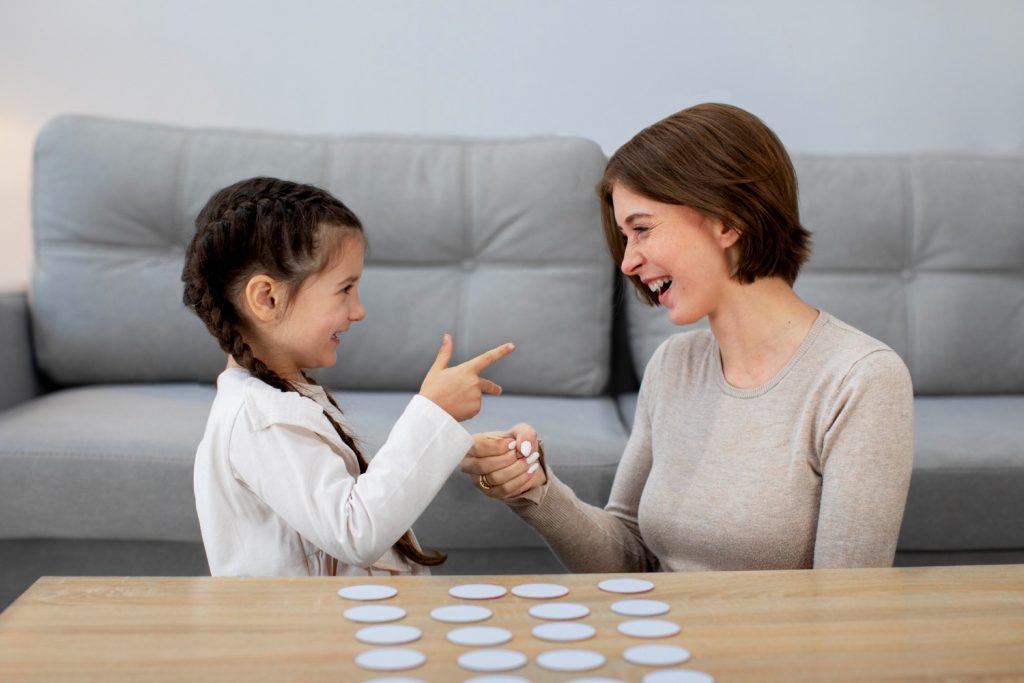
When children struggle to express emotions verbally, traditional talk therapy may not always be the most effective approach. This is where play therapy becomes an invaluable tool. Play therapy for kids provides a safe and supportive environment where they can communicate thoughts and feelings through play, creativity, imagination, and interaction.
Mental health professionals use various play therapy techniques to help children process experiences, develop emotional awareness, build coping skills, and improve overall well-being. Through carefully structured activities, children can explore difficult emotions in ways that feel natural and comfortable for their developmental stage.
Understanding how play therapy works and the techniques commonly used can help parents recognize the benefits of this specialized form of counseling for children.
What Is Play Therapy?
Play therapy is a therapeutic approach designed specifically for children. It uses play as a means of communication, allowing children to express emotions, process experiences, and develop problem-solving skills.
Children naturally communicate through play. Toys, games, art materials, and imaginative activities become tools that help therapists understand a child’s emotional world. Instead of relying solely on conversation, therapists observe play patterns, interactions, and creative expression to gain insight into a child’s thoughts and feelings.
Play therapy is commonly used to help children experiencing anxiety, depression, trauma, grief, behavioral challenges, family changes, social difficulties, and emotional regulation problems.
Why Children Express Emotions Through Play
Young children often do not have the emotional vocabulary needed to explain complex feelings. Even when they recognize their emotions, they may struggle to describe them accurately.
Play provides an alternative form of communication. Through pretend scenarios, storytelling, art, and games, children can reveal emotions and experiences they may not be able to discuss directly.
For example, a child experiencing anxiety may repeatedly act out situations involving danger or separation during play sessions. A child coping with grief may use dolls or figures to recreate experiences related to loss. These activities allow therapists to understand underlying emotions and provide appropriate support.
Because play feels familiar and nonthreatening, children are often more willing to engage in therapeutic activities than traditional conversations.
Benefits of Play Therapy for Emotional Expression
Play therapy offers numerous benefits for children who struggle to communicate their feelings.
Improves Emotional Awareness
Children learn to identify and understand their emotions more clearly.
Encourages Healthy Emotional Expression
Play therapy provides safe outlets for expressing difficult feelings such as anger, sadness, or fear.
Reduces Anxiety and Stress
Engaging in therapeutic play can help children feel calmer and more secure.
Strengthens Problem-Solving Skills
Children develop healthy ways to handle challenges and emotional situations.
Builds Confidence
Successfully expressing emotions and managing challenges can improve self-esteem.
Enhances Communication Skills
Children learn healthier ways to communicate thoughts and feelings with others.
Sand Tray Therapy
Sand tray therapy is one of the most widely used play therapy techniques. During sessions, children use miniature figures, toys, and objects to create scenes in a tray filled with sand.
The scenes often reflect emotions, experiences, relationships, or concerns that the child may not be able to discuss verbally. Therapists observe the child’s choices, interactions, and storytelling to gain insight into their emotional experiences.
Sand tray therapy can be particularly helpful for children who have experienced trauma, anxiety, grief, or major life transitions. The process allows them to explore feelings safely while maintaining a sense of control over their environment.
Art Therapy Activities
Creative expression is a powerful way for children to communicate emotions. Art-based play therapy techniques allow children to draw, paint, color, sculpt, or create visual representations of their feelings.
Art activities may include:
Drawing Emotions
Children create pictures that represent different emotions such as happiness, anger, fear, or sadness.
Family Drawings
Children draw family members and relationships, providing insight into family dynamics and emotional connections.
Emotion Collages
Children use images and materials to create collages that represent their experiences and feelings.
Clay and Sculpting Activities
Manipulating clay allows children to express emotions physically while encouraging creativity and self-expression.
Art therapy activities help children externalize emotions that may otherwise remain difficult to communicate.
Role Playing and Pretend Play
Role playing is a highly effective play therapy technique that allows children to act out situations, relationships, and emotions through imaginative play.
Children may use costumes, puppets, dolls, action figures, or other toys to create scenarios that reflect real-life experiences.
Pretend play can help children:
- Practice social skills
- Explore emotional situations
- Develop empathy
- Build confidence
- Learn problem-solving strategies
For example, a child struggling with school anxiety may act out classroom situations during therapy. This gives the therapist opportunities to help the child develop healthier coping responses.
Puppet Play
Puppets provide children with a safe way to express emotions indirectly. Many children feel more comfortable sharing difficult thoughts when speaking through a puppet character rather than speaking directly about themselves.
Therapists often use puppet play to explore:
- Family relationships
- School concerns
- Fears and worries
- Anger and frustration
- Friendship challenges
Puppet interactions allow children to project emotions onto characters, making it easier to discuss sensitive topics.
Storytelling Techniques
Stories help children organize thoughts, understand emotions, and make sense of experiences.
In play therapy, therapists may encourage children to create stories using books, toys, drawings, or imagination.
Storytelling activities can reveal:
- Emotional struggles
- Personal fears
- Relationship concerns
- Internal conflicts
- Desired outcomes
Therapists often use stories to help children identify emotions and explore healthier ways of coping with difficult situations.
Feelings Identification Games
Many children benefit from activities specifically designed to increase emotional awareness.
Feelings identification games help children learn to recognize, label, and discuss emotions.
Examples include:
Emotion Cards
Children identify emotions displayed on cards and discuss situations that might cause those feelings.
Feelings Charades
Children act out emotions while others guess the feeling being expressed.
Emotion Matching Activities
Children match emotions to facial expressions or scenarios.
These exercises build emotional vocabulary and encourage healthy communication.
Therapeutic Board Games
Specially designed therapeutic board games can help children discuss emotions, relationships, and coping skills in a structured but enjoyable way.
Many therapeutic games include questions and prompts that encourage children to talk about:
- Worries and fears
- Family relationships
- School experiences
- Self-esteem
- Problem-solving strategies
Because the activities feel like games rather than therapy, children often engage more openly and naturally.
Bibliotherapy and Therapeutic Books
Books can be powerful tools for helping children understand and express emotions.
Therapists often use age-appropriate stories that address topics such as:
- Anxiety
- Anger
- Grief
- Divorce
- Friendship problems
- Self-confidence
After reading a story, therapists may discuss the characters’ feelings and experiences, helping children connect the lessons to their own lives.
Children frequently find comfort in realizing that others experience similar emotions and challenges.
Sensory Play Techniques
Sensory activities engage a child’s senses while promoting emotional regulation and relaxation.
Examples include:
- Kinetic sand
- Water play
- Sensory bins
- Stress balls
- Play dough
- Fidget tools
Sensory play can be especially beneficial for children experiencing anxiety, attention difficulties, or emotional dysregulation.
These activities help children feel grounded while creating opportunities for therapeutic conversations.
Emotion Regulation Activities
Learning how to manage emotions is a major goal of play therapy.
Therapists often incorporate activities that teach children practical emotional regulation skills.
Examples include:
Deep Breathing Games
Children practice breathing exercises through playful activities.
Calm Down Jars
Watching glitter settle in a jar helps children understand how emotions can become calmer over time.
Emotion Thermometers
Children learn to identify the intensity of emotions and recognize when coping strategies are needed.
Coping Skills Toolboxes
Children create collections of healthy coping strategies they can use outside therapy sessions.
These techniques help children build lifelong emotional management skills.
Play Therapy for Anxiety
Children with anxiety often struggle to explain worries and fears.
Play therapy techniques for anxiety may include:
- Worry boxes
- Anxiety drawings
- Relaxation games
- Storytelling exercises
- Role-playing feared situations
These activities help children understand their fears while developing healthier coping mechanisms.
As anxiety decreases, children often experience improvements in confidence, social functioning, and overall well-being.
Play Therapy for Trauma
Traumatic experiences can significantly affect a child’s emotional development. Children may not have the words needed to describe traumatic events, making play therapy particularly valuable.
Trauma-focused play therapy helps children:
- Process difficult experiences
- Express emotions safely
- Reduce trauma-related symptoms
- Build emotional resilience
- Regain a sense of security
Techniques such as sand tray therapy, art activities, storytelling, and sensory play are frequently used to support trauma recovery.
The Role of Parents in Play Therapy
Parents play an important role in the success of play therapy.
Therapists often collaborate with parents by providing guidance on:
- Supporting emotional expression at home
- Reinforcing coping skills
- Improving communication
- Managing behavioral challenges
- Strengthening parent-child relationships
When parents actively participate in the therapeutic process, children often experience greater progress and long-term success.
Signs a Child May Benefit From Play Therapy
A child may benefit from play therapy if they experience:
- Frequent anxiety or worry
- Behavioral problems
- Difficulty expressing emotions
- Social challenges
- Family conflict
- Trauma or grief
- Anger outbursts
- School-related stress
- Low self-esteem
- Major life changes
Early intervention can help children develop healthier emotional skills and prevent challenges from becoming more severe over time.
Conclusion
Play therapy is a highly effective approach that helps children express emotions in ways that feel natural, safe, and developmentally appropriate. Through techniques such as sand tray therapy, art activities, storytelling, puppet play, role playing, sensory experiences, and emotional regulation exercises, children gain valuable opportunities to explore their feelings and develop healthy coping skills.
By providing a supportive environment where emotional expression is encouraged, play therapy helps children build confidence, improve communication, strengthen relationships, and enhance overall mental health. For children facing anxiety, trauma, behavioral challenges, grief, or emotional difficulties, play therapy can be a powerful pathway toward healing, growth, and emotional well-being.