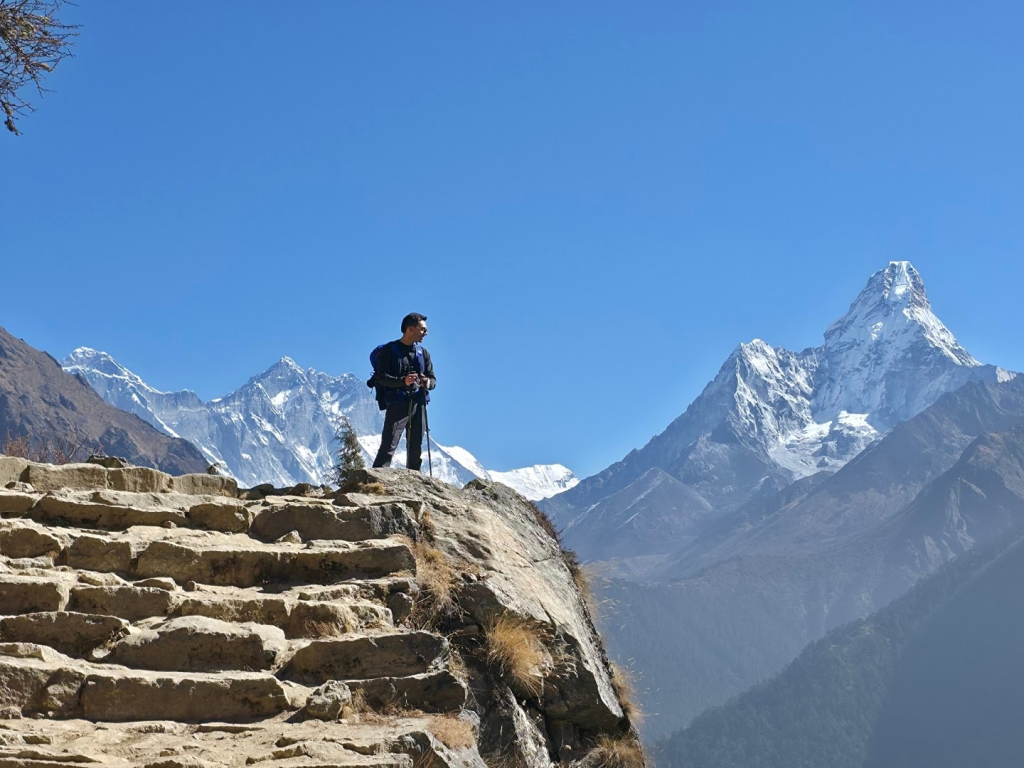
For many travelers, reaching Everest Base Camp is a once-in-a-lifetime goal. The journey takes you through the Khumbu Valley, across suspension bridges, past ancient monasteries, and into the heart of the Himalayas.
But the traditional trek is not always comfortable. Long days on the trail, basic teahouse accommodation, and limited amenities can make the experience physically demanding.
In recent years, a new option has become increasingly popular: the Luxury Everest Base Camp Trek. Instead of basic lodges and minimal facilities, this version offers premium mountain lodges, improved food options, heated rooms, and in some cases helicopter returns from base camp.
Naturally, many trekkers wonder whether the extra cost is truly worth it. Does luxury change the trekking experience in a meaningful way, or is it simply an expensive upgrade? Some travelers worry that comfort might take away from the authenticity of the journey, while others see it as a safer and more enjoyable way to explore the Himalayas.
This guide will help you understand what a luxury trek actually includes, how it compares with a standard Everest Base Camp trek, and who it is best suited for. By the end, you will have a clear idea whether this style of trekking fits your expectations, budget, and travel goals.
What Is a Luxury Everest Base Camp Trek?
A Luxury Everest Base Camp Trek follows the same route as the classic trek to Everest Base Camp but replaces basic infrastructure with higher quality services and accommodation. The trail itself does not change. You still fly to Lukla, walk through villages such as Namche Bazaar and Tengboche, and continue toward Gorakshep and Everest Base Camp.
The difference lies in comfort and support throughout the journey.
Instead of simple teahouses with shared bathrooms and basic rooms, trekkers stay in premium mountain lodges where available. These lodges often provide heated dining rooms, comfortable beds, private bathrooms in some locations, and higher standards of food preparation.
Guiding services also tend to be more personalized. Luxury treks typically maintain smaller group sizes, experienced guides, and a higher staff-to-trekker ratio. Some itineraries also include a helicopter flight from Gorakshep or Kala Patthar back to Kathmandu or Lukla, reducing the long descent that normally takes several days.
In short, the trek remains physically demanding, but the living conditions during the journey become significantly more comfortable.
How a Luxury Trek Differs from the Standard Everest Base Camp Trek
The core trekking experience remains the same in both versions. Trekkers walk the same trails, see the same mountain scenery, and reach the same destination. However, the day-to-day experience on the trail can feel quite different.
Accommodation is the most noticeable change. Standard treks rely on traditional teahouses that provide simple rooms with twin beds and minimal heating. Bathrooms are often shared, and hot showers may cost extra.
Luxury lodges, when available, offer better insulation, comfortable bedding, and warmer dining areas. In lower regions such as Phakding and Namche Bazaar, some even provide private bathrooms and electric blankets.
Food quality is another difference. Standard treks focus on simple meals like dal bhat, noodles, soup, and fried rice. Luxury lodges often expand the menu with fresh vegetables, better presentation, and a wider range of options including bakery items and espresso coffee in some locations.
Logistics and pacing can also improve. Many luxury itineraries include extra acclimatization days, flexible scheduling, and stronger porter support. This helps trekkers focus on the journey rather than worrying about daily logistics.
The trekking challenge itself remains unchanged. Even on a luxury itinerary, you still walk 5 to 7 hours a day and reach elevations above 5,000 meters.
What the Experience Actually Feels Like on the Trail
Many trekkers imagine that luxury trekking means easy trekking. In reality, the trail to Everest Base Camp remains demanding regardless of accommodation quality.
Days typically begin early, especially as you move higher into the Khumbu region. The air becomes thinner, temperatures drop, and trekking pace slows due to altitude. Even experienced hikers find the final days challenging.
Where luxury trekking makes a difference is in recovery after the walk.
Instead of returning to a cold dining room with limited heating, trekkers can relax in warmer lodges. Hot showers, comfortable bedding, and well prepared meals make it easier for the body to recover overnight. This comfort becomes more noticeable after several days of trekking at altitude.
Another advantage is mental energy. When accommodation and logistics run smoothly, trekkers can focus more on the landscapes, culture, and experience rather than small inconveniences.
The mountains remain the same. What changes is how comfortable you feel during the journey.
Cost Considerations: Why Luxury Treks Are More Expensive
A Luxury Everest Base Camp Trek costs significantly more than a standard trek. While traditional packages often range between 1,200 and 1,800 USD, luxury versions may cost between 3,500 and 6,000 USD depending on the itinerary and services included.
Several factors explain this difference.
Premium lodges in the Everest region are limited and expensive to operate. Transporting building materials, food supplies, and fuel into remote mountain areas requires helicopters or long porter caravans. These costs are reflected in accommodation prices.
Luxury packages also include higher staff support. Guides are often more experienced, porter ratios are better, and logistics teams handle many operational details behind the scenes.
In some itineraries, helicopter flights replace the return trek from base camp. A helicopter flight in the Everest region is costly due to fuel transport and high altitude flying conditions.
For trekkers, the higher price essentially pays for comfort, logistical efficiency, and time savings rather than a different destination.
Who Should Consider a Luxury Everest Base Camp Trek
Luxury trekking is not necessary for everyone. Many trekkers enjoy the traditional teahouse experience and find it part of the adventure.
However, certain travelers benefit greatly from the upgraded experience.
Older trekkers often appreciate better accommodation and reduced physical strain during the return journey. Comfortable beds, warmer lodges, and improved hygiene standards can make the trek more manageable.
Travelers with limited vacation time may also prefer luxury itineraries. Helicopter returns shorten the overall duration of the trek while still allowing them to reach Everest Base Camp.
Some trekkers simply value comfort. After long trekking days at altitude, a warm lodge and good meal can improve morale and recovery significantly.
For first-time visitors to Nepal who want a smoother introduction to Himalayan trekking, luxury treks provide an easier transition compared to basic teahouse trekking.
Does Luxury Reduce the Authentic Trekking Experience?
A common concern is that upgrading to luxury accommodation removes the authenticity of trekking in Nepal. In practice, the cultural and natural experience remains largely unchanged.
The trail still passes through Sherpa villages, Buddhist monasteries, and traditional farming communities. Trekkers continue to interact with local guides, porters, and lodge staff throughout the journey.
The main difference is comfort at the end of the day rather than isolation from local culture.
In fact, many premium lodges are owned or operated by local families and employ staff from nearby villages. Trekkers still experience the hospitality and culture of the Khumbu region while enjoying improved facilities.
Authenticity in trekking comes more from the landscape, people, and journey itself than from the simplicity of the room you sleep in.
Practical Insights from Trekking Experts
Planning carefully makes a major difference when considering a luxury trek to Everest Base Camp.
Choose the season wisely. Spring and autumn offer the most stable weather and the best mountain views. These seasons also ensure that luxury lodges operate at full capacity.
Focus on acclimatization rather than speed. Even with luxury services, altitude sickness remains a real risk above 3,500 meters. A well designed itinerary with gradual elevation gain is essential.
Pay attention to lodge availability. Premium lodges exist mainly in lower villages such as Lukla, Phakding, Monjo, and Namche Bazaar. Higher areas like Lobuche and Gorakshep still rely on simpler accommodation.
Prepare physically before the trek. Luxury services improve comfort but do not reduce the physical challenge of walking at altitude.
Finally, work with experienced trekking organizers who understand logistics in the Everest region. Good planning ensures that the luxury elements of the trek actually improve the experience rather than complicate it.
Conclusion
The Everest Base Camp trek remains one of the most remarkable journeys in the Himalayas regardless of how you choose to do it. The mountains, Sherpa culture, and sense of achievement at base camp remain the same for every trekker.
What the Luxury Everest Base Camp Trek offers is a different level of comfort during that journey. Better lodges, improved meals, and streamlined logistics make the trek easier to manage physically and mentally.
For trekkers who value comfort, have limited time, or want a smoother Himalayan experience, the additional cost can be worthwhile. For those who enjoy simplicity and traditional trekking conditions, the standard trek remains an equally rewarding option.
Ultimately, the best choice depends on your priorities. Whether you choose a luxury itinerary or a classic teahouse trek, the experience of walking through the Everest region and standing at the base of the world’s highest mountain is unforgettable.