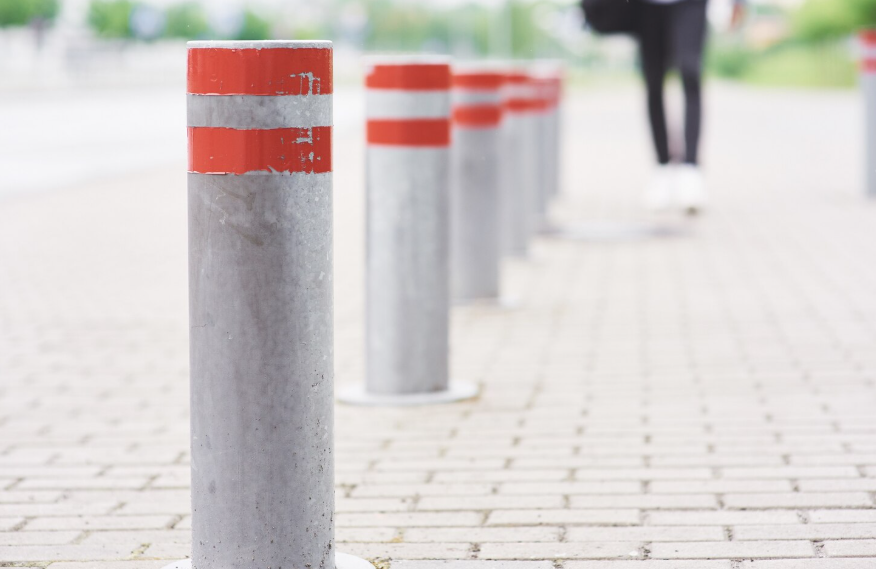
Urban areas are bustling with activity, necessitating effective measures to ensure the safety of pedestrians and property. One such measure involves the installation of bollards. These robust, vertical posts are designed to guide traffic and protect from vehicle intrusions, making them a crucial component of urban infrastructure.
The Role of Bollards in Urban Safety
Bollards serve a critical role in enhancing urban safety. They act as physical and visual barriers that delineate pedestrian spaces from vehicle pathways. This separation not only safeguards pedestrians but also contributes to better traffic management. Moreover, the presence of bollards can deter unauthorized vehicle access to sensitive areas, thus providing an additional layer of security.
Types of Bollards and Their Applications
There are various types of bollards available, each serving different purposes depending on location and safety needs. Fixed bollards, often made of concrete or steel, provide permanent solutions for high-security areas. On the other hand, removable bollards offer flexibility in areas where access might occasionally be required, such as event venues or temporary road closures.
Automatic Bollards
Automatic bollards are an advanced solution suitable for sites requiring controlled vehicular access. These bollards can be remotely operated, allowing them to rise or retract as needed. This feature is beneficial for managing entry into restricted zones or private parking areas.
Decorative Bollards
Beyond safety, bollards can enhance the aesthetic appeal of a location. Decorative bollards are designed to blend with architectural elements, contributing to a cohesive urban landscape. These bollards can be crafted using various materials and styles, making them a versatile option for city planners.
Innovations in Bollard Design
Recent innovations in bollard design focus on incorporating technology to improve functionality and safety. For instance, some bollards are equipped with lighting to increase visibility at night, reducing the risk of accidents. Others are designed with impact-absorption features to minimize damage upon collision, making them suitable for high-risk areas.
Environmental Considerations
As cities strive for sustainability, the environmental impact of infrastructure solutions is under scrutiny. Bollards made from recycled materials or those designed to accommodate greenery contribute positively to the environment. These eco-friendly options not only help cities reduce their carbon footprint but also promote green urban spaces.
Case Studies of Successful Bollard Integration
There are numerous examples worldwide of successful bollard integration in urban areas. In London, the use of bollards in pedestrian zones has significantly decreased vehicle-related accidents. Similarly, in Sydney, bollards have enhanced the safety and security of public spaces, including tourist landmarks.
Lessons from Implementation
Implementing bollard solutions requires careful planning and consideration. Understanding the specific safety needs of an area is crucial. Moreover, the design and material choice should align with the local aesthetic and environmental goals, ensuring that the bollards complement rather than disrupt the urban landscape.
The Future of Bollard Solutions in Urban Safety
As urban areas continue to evolve, the demand for innovative safety solutions like bollards will grow. The future might see the integration of smart technology into bollards, such as sensors for traffic data collection or emergency alert systems. Such advancements would enhance their utility and effectiveness in creating safer urban environments.
Overall, the strategic use of bollards in urban settings plays a vital role in protecting both people and infrastructure. By investing in innovative bollard solutions, cities can enhance safety, improve aesthetics, and promote sustainable development.