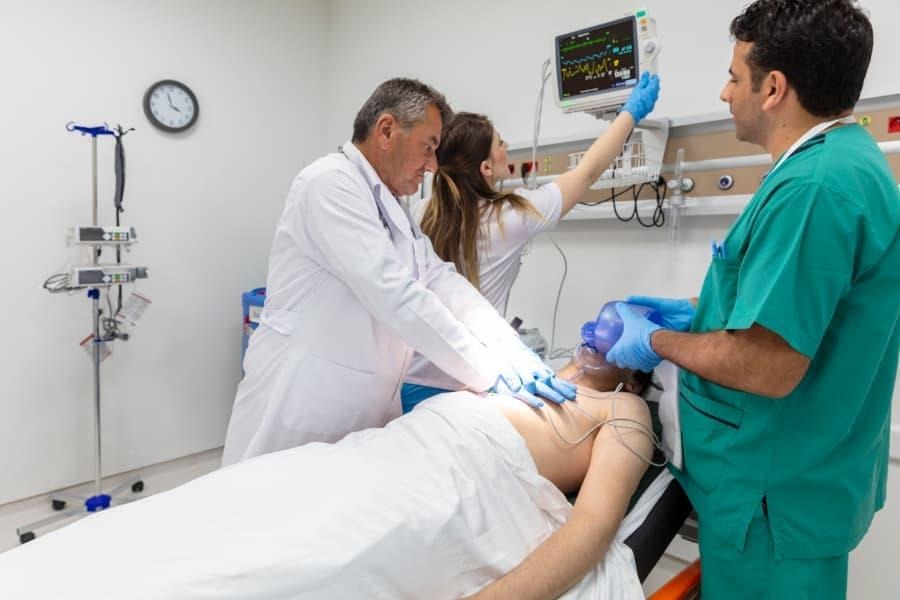
Heart disease remains one of the leading causes of serious health complications worldwide. Conditions affecting the heart and blood vessels can range from mild rhythm disturbances to life-threatening emergencies, such as heart attacks and heart failure. Early diagnosis and proper treatment play an essential role in improving survival, reducing complications, and supporting long-term heart health.
Modern cardiac care includes a wide range of treatment options designed to manage symptoms, improve blood circulation, strengthen heart function, and prevent future cardiovascular events. Treatment plans vary depending on the patient’s condition, age, overall health, and severity of disease.
Understanding the different types of cardiac treatments available can help patients and families make informed healthcare decisions.
What Is Cardiac Treatment?
Cardiac treatment refers to medical care focused on diagnosing, managing, and treating heart-related conditions.
Common Heart Conditions Requiring Treatment
These may include:
- Coronary artery disease
- Heart attack
- Heart failure
- Arrhythmias
- Valve disorders
- Congenital heart disease
Treatment may involve lifestyle changes, medications, minimally invasive procedures, or surgery.
Importance of Early Cardiac Care
Heart disease usually progresses gradually before symptoms become severe.
Benefits of Early Treatment
Timely cardiac care may help:
- Prevent heart damage
- Improve blood circulation
- Reduce risk of stroke
- Improve quality of life
- Lower risk of future complications
Regular monitoring supports long-term heart health.
Lifestyle Management for Heart Disease
Lifestyle changes are considered to be the foundation of cardiac treatment.
Common Lifestyle Recommendations
Doctors may advise:
- Regular physical activity
- Balanced heart-healthy diet
- Smoking cessation
- Weight management
- Stress reduction
- Limiting alcohol intake
Healthy habits support better cardiovascular function.
Medications Used in Cardiac Treatment
Many heart conditions are managed with medications.
Common Types of Cardiac Medications
Doctors may prescribe medicines to:
- Lower blood pressure
- Reduce cholesterol
- Prevent blood clots
- Control heart rhythm
- Reduce fluid buildup
Medication plans depend on the individual’s diagnosis and overall health.
Blood Pressure Management
High blood pressure increases the risk of heart attack, stroke, and kidney disease.
How Hypertension Is Treated
Treatment may involve:
- Lifestyle changes
- Blood pressure medications
- Salt reduction
- Regular monitoring
Controlling blood pressure reduces stress on the heart.
Cholesterol Management
High cholesterol can lead to plaque buildup inside arteries.
Cholesterol Treatment Goals
Treatment focuses on:
- Reducing LDL cholesterol
- Improving blood circulation
- Preventing artery blockage
Diet, exercise, and medications may all be part of treatment.
Angioplasty and Stent Placement
Angioplasty is a minimally invasive procedure used to open blocked arteries.
How Angioplasty Works
During the procedure:
- A small balloon is inserted into the blocked artery
- The balloon expands to improve blood flow
- A stent may be placed to keep the artery open
This procedure is commonly used in coronary artery disease.
In Delhi, many individuals experiencing blocked arteries, chest discomfort, or reduced blood flow commonly explore options for cardiac treatment in Delhi when evaluating advanced heart care and minimally invasive cardiac procedures.
Coronary Artery Bypass Surgery (CABG)
Bypass surgery may be recommended when arteries are severely blocked.
What Happens During Bypass Surgery?
Surgeons create a new pathway for blood flow using healthy blood vessels taken from another part of the body.
Benefits of Bypass Surgery
It may help:
- Improve blood circulation
- Reduce chest pain
- Lower heart attack risk
- Improve quality of life
Recovery requires careful monitoring and rehabilitation.
Treatment for Heart Rhythm Disorders
Arrhythmias occur when the heart beats too fast, too slow, or irregularly.
Common Arrhythmia Treatments
Treatment options may include:
- Medications
- Pacemakers
- Catheter ablation
- Implantable cardiac devices
Proper rhythm control helps improve heart efficiency.
Pacemaker Implantation
Pacemakers are small devices used to regulate heart rhythm.
Why Pacemakers Are Used
They may help patients with:
- Slow heart rhythms
- Electrical conduction problems
- Certain rhythm disorders
Pacemakers help maintain stable heartbeats.
Heart Valve Treatments
Heart valves control blood flow through the heart.
Common Valve Problems
These may include:
- Valve narrowing
- Valve leakage
- Congenital valve defects
Treatment may involve medication, repair procedures, or valve replacement surgery.
Heart Failure Management
Heart failure occurs when the heart cannot pump blood effectively.
Symptoms of Heart Failure
Patients may experience:
- Shortness of breath
- Swelling in legs
- Fatigue
- Reduced exercise tolerance
Treatment focuses on improving heart function and reducing fluid overload.
Cardiac Rehabilitation Programs
Cardiac rehabilitation is an important part of recovery after heart procedures or heart attacks.
Rehabilitation May Include
- Supervised exercise programs
- Nutritional counseling
- Stress management
- Lifestyle education
These programs help improve long-term cardiovascular health.
Emergency Cardiac Care
Certain heart conditions require immediate medical attention.
Cardiac Emergencies Include
- Heart attack
- Severe chest pain
- Sudden shortness of breath
- Loss of consciousness
Emergency treatment improves survival and recovery outcomes.
Importance of Regular Cardiac Monitoring
Heart disease usually requires ongoing follow-up care.
Monitoring May Include
- ECG testing
- Echocardiography
- Blood pressure monitoring
- Cholesterol evaluation
Regular checkups help detect complications early.
Preventing Future Heart Problems
Preventive care is essential after cardiac treatment.
Long-Term Prevention Strategies
Patients are usually advised to:
- Continue prescribed medications
- Stay physically active
- Maintain healthy weight
- Manage diabetes and blood pressure
- Attend regular follow-up appointments
Consistent care helps reduce recurrence risk.
Frequently Asked Questions
What are the most common cardiac treatments?
Common treatments include medications, angioplasty, bypass surgery, pacemakers, and lifestyle management.
Can heart disease be treated without surgery?
Yes, many heart conditions can be managed with medications and lifestyle changes.
What is angioplasty used for?
Angioplasty helps open blocked arteries and improve blood flow to the heart.
Why is cardiac rehabilitation important?
Cardiac rehabilitation supports recovery, improves heart health, and reduces future cardiovascular risks.
When should chest pain be considered an emergency?
Chest pain with shortness of breath, sweating, dizziness, or arm pain requires immediate medical attention.
Conclusion
Cardiac treatment includes a wide range of medical, surgical, and lifestyle-based approaches designed to improve heart health and reduce complications. From medications and minimally invasive procedures to bypass surgery and rehabilitation, modern cardiac care offers several effective treatment options based on individual needs.
Early diagnosis, regular monitoring, healthy lifestyle choices, and timely treatment all play important roles in protecting long-term cardiovascular health. Understanding available cardiac treatments helps patients make informed decisions and actively participate in managing their heart condition.