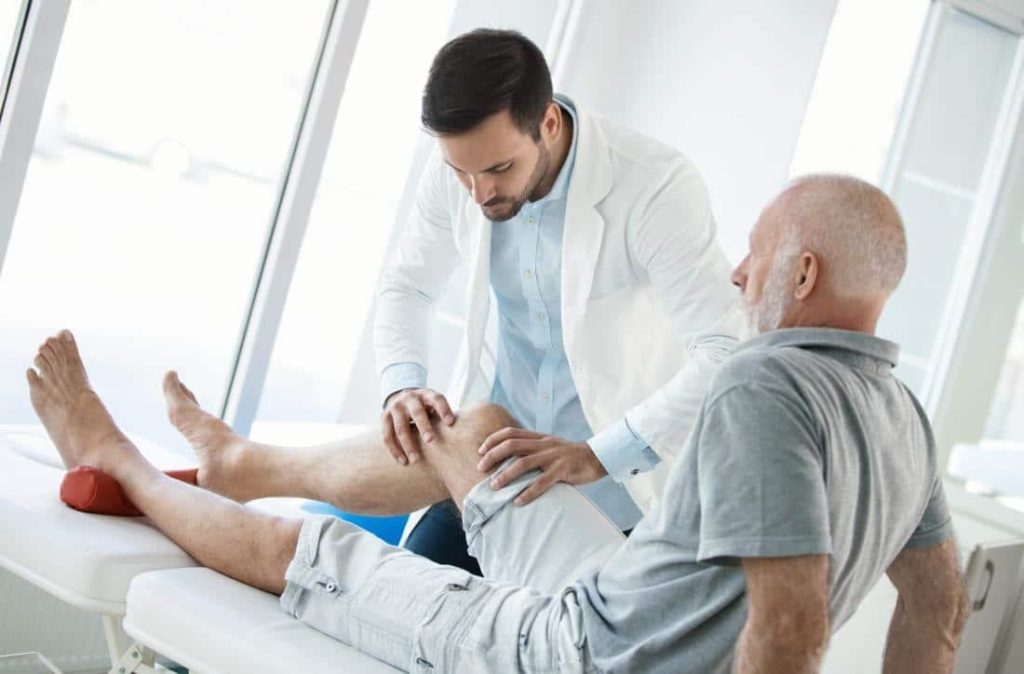
Anterior cruciate ligament (ACL) injuries are among the most common knee injuries, especially in athletes and physically active individuals. The ACL is one of the major ligaments that stabilizes the knee joint during movement, jumping, turning, and sudden direction changes. When this ligament tears, it can significantly affect balance, knee stability, and mobility.
ACL surgery is usually recommended for individuals with complete ligament tears, knee instability, or those wishing to return to sports and high-impact activities. Recovery after ACL surgery is a gradual process that involves healing, rehabilitation, strengthening, and restoring knee function.
Understanding the recovery timeline can help patients prepare physically and mentally for the rehabilitation journey.
What Is ACL Surgery?
ACL surgery is a procedure performed to reconstruct or repair the torn anterior cruciate ligament in the knee.
Why ACL Surgery Is Performed
Doctors may recommend surgery for:
- Complete ACL tears
- Knee instability
- Recurrent knee giving way
- Sports-related injuries
- Combined ligament injuries
The goal is to restore knee stability and improve movement.
Common Causes of ACL Injuries
ACL injuries commonly occur during sudden twisting or impact movements.
Activities That May Cause ACL Tears
These include:
- Sports involving jumping or pivoting
- Sudden directional changes
- Direct knee impact
- Falls or accidents
Athletes involved in football, basketball, and soccer are commonly affected.
Symptoms of an ACL Tear
An ACL injury may cause immediate symptoms after trauma.
Common Symptoms Include
- Sudden knee pain
- Swelling
- Knee instability
- Difficulty walking
- Reduced range of motion
Some individuals hear or feel a “pop” at the time of injury.
What to Expect During the Recovery Period Following ACL Surgery?
Recovery following ACL surgery is usually gradual. It is important to follow all the post-surgical guidelines provided by the doctor to ensure a smooth and quick recovery.
1. Immediate Recovery After ACL Surgery
The first few days after surgery focus on pain control and protecting the knee.
What Happens After Surgery
Patients are usually advised to:
- Rest the knee
- Use ice therapy
- Elevate the leg
- Begin gentle movement exercises
Early rehabilitation helps reduce stiffness and swelling.
2. First Week After ACL Surgery
Mobility gradually improves during the initial recovery phase.
Common Recovery Goals During Week One
These include:
- Managing pain and swelling
- Improving knee extension
- Beginning supervised physiotherapy
- Walking with support devices
Crutches are generally used temporarily for safe walking.
Importance of Physical Therapy
Rehabilitation is one of the most important parts of ACL recovery.
Goals of Physiotherapy
Physical therapy helps:
- Restore knee movement
- Strengthen surrounding muscles
- Improve balance and coordination
- Protect the healing ligament
Consistent rehabilitation greatly influences long-term recovery outcomes.
3. Recovery During Weeks Two to Six
Patients usually continue improving mobility and strength during this stage.
Common Improvements During This Phase
Patients may gradually:
- Reduce swelling
- Walk more comfortably
- Improve knee bending
- Increase weight-bearing ability
Exercises become more structured and progressive.
In Ahmedabad, many active individuals recovering from sports injuries or ligament tears commonly seek guidance regarding ACL surgery in Ahmedabad while focusing on rehabilitation timelines and safe return-to-activity planning.
Regaining Knee Strength
Muscle weakness commonly develops after ACL injury and surgery.
Muscles Commonly Affected
Weakness may occur in:
- Quadriceps
- Hamstrings
- Calf muscles
Strengthening exercises help restore knee support and stability.
4. Recovery During Months Two to Four
By this stage, many patients experience better knee function.
Commonly Introduced Activities
These may include:
- Stationary cycling
- Balance training
- Controlled strengthening exercises
- Low-impact cardio activities
Therapy intensity gradually increases based on progress.
Return to Daily Activities
Recovery timelines differ depending on healing and rehabilitation progress.
Activities Patients May Resume Gradually
These may include:
- Office work
- Driving
- Light household tasks
- Walking longer distances
Doctors and therapists guide safe activity progression.
5. Recovery During Months Four to Six
Knee strength and coordination continue improving during this stage.
Rehabilitation Focus During This Period
Therapy may emphasize:
- Advanced strengthening
- Agility training
- Movement control
- Sport-specific exercises
Patients continue building confidence in knee stability.
Return to Sports After ACL Surgery
Returning to sports too early may increase re-injury risk.
Factors Affecting Return to Sports
Doctors evaluate:
- Knee strength
- Stability
- Balance
- Range of motion
- Overall rehabilitation progress
Many individuals require several months before returning to competitive sports.
Factors That Affect ACL Recovery Time
Recovery speed varies from person to person.
Important Recovery Factors Include
- Age
- Physical fitness
- Severity of injury
- Surgical technique
- Rehabilitation consistency
Following therapy recommendations carefully improves outcomes.
Managing Swelling and Pain During Recovery
Some swelling and discomfort may continue for several weeks.
Helpful Recovery Measures
Patients may benefit from:
- Ice therapy
- Leg elevation
- Compression support
- Prescribed pain management
Persistent severe pain should be medically evaluated.
Importance of Following Rehabilitation Instructions
Skipping exercises or returning to activity too soon may slow recovery.
Why Rehabilitation Matters
Proper rehabilitation helps:
- Prevent stiffness
- Reduce weakness
- Improve knee function
- Lower re-injury risk
Structured recovery programs improve long-term results.
Possible Complications After ACL Surgery
Although many patients recover well, complications may occur occasionally.
Possible Complications Include
- Infection
- Blood clots
- Knee stiffness
- Persistent instability
- Re-injury
Prompt medical follow-up helps manage complications early.
Lifestyle Tips During ACL Recovery
Healthy habits support healing and rehabilitation.
Helpful Recovery Tips
Patients are often advised to:
- Maintain balanced nutrition
- Stay hydrated
- Avoid smoking
- Follow exercise plans consistently
Good overall health supports tissue healing.
Emotional Challenges During Recovery
Long recovery periods may affect emotional well-being.
Common Emotional Concerns Include
- Frustration with limited activity
- Anxiety about returning to sports
- Fear of re-injury
Support from healthcare professionals and family can help maintain motivation.
When to Contact Your Doctor
Certain symptoms require immediate medical attention after surgery.
Seek Medical Care For
- Fever
- Severe swelling
- Worsening pain
- Difficulty breathing
- Redness around the incision
Early treatment helps prevent complications.
Frequently Asked Questions
How long does ACL surgery recovery usually take?
Recovery may take several months, depending on healing, rehabilitation, and activity goals.
When can I walk after ACL surgery?
Many patients begin walking with support devices within a few days after surgery.
Is physiotherapy necessary after ACL surgery?
Yes, rehabilitation is essential for restoring strength, stability, and movement.
When can athletes return to sports after ACL surgery?
Return-to-sport timelines vary but usually require several months of rehabilitation.
Can ACL injuries happen again after surgery?
Yes, re-injury is possible, especially if rehabilitation is incomplete or activity resumes too early.
Conclusion
ACL surgery recovery is a gradual process that requires patience, rehabilitation, and careful medical supervision. While early recovery focuses on reducing pain and swelling, long-term rehabilitation aims to restore knee strength, stability, flexibility, and confidence in movement.
Recovery timelines vary depending on the severity of injury, overall health, and commitment to physical therapy. With proper rehabilitation, lifestyle support, and gradual return to activity, many individuals can regain knee function and safely resume daily activities and sports after ACL surgery.