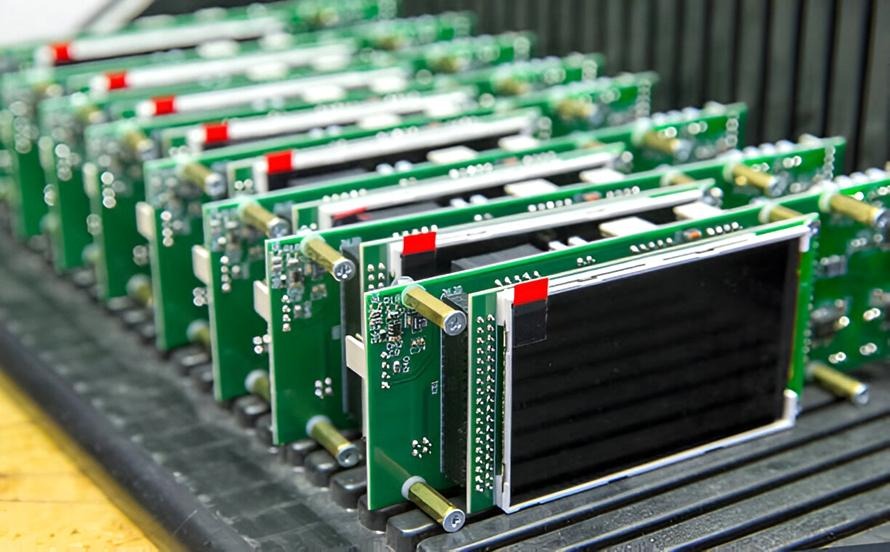
The healthcare industry has experienced remarkable technological advancements over the past few decades. Modern medical equipment is becoming more intelligent, compact, and accurate, allowing healthcare professionals to diagnose diseases earlier, monitor patients more effectively, and perform complex procedures with greater precision. At the heart of these innovations lies the Medical PCB, a specialized printed circuit board designed to meet the demanding requirements of medical electronics.
Unlike standard circuit boards used in consumer products, medical PCBs must deliver exceptional reliability, precision, and long-term performance because they are often used in devices that directly impact patient care and safety. Whether integrated into diagnostic imaging systems, patient monitoring equipment, wearable medical devices, surgical instruments, or implantable electronics, these circuit boards must perform consistently under strict regulatory and operational standards.
To achieve this level of quality, manufacturers increasingly collaborate with an experienced Medical PCB manufacturer capable of producing high-performance circuit boards using advanced materials, precision manufacturing processes, and comprehensive quality control systems. Selecting the right manufacturing partner helps ensure regulatory compliance, product reliability, and successful commercialization of medical devices.
This article explores medical PCB technology, its manufacturing process, applications, quality standards, and the importance of partnering with a trusted medical PCB manufacturer.
What Is a Medical PCB?
A Medical PCB is a printed circuit board specifically designed for use in medical devices and healthcare equipment. These circuit boards provide the electrical foundation that enables medical instruments to process data, control electronic functions, monitor physiological conditions, and communicate with other systems.
Medical PCBs differ from conventional circuit boards because they must meet significantly higher standards for reliability, accuracy, and durability. Many medical devices operate continuously for extended periods or function in environments where failure is unacceptable. As a result, every aspect of the PCB—from material selection to manufacturing and testing—must comply with stringent quality requirements.
Medical PCBs are available in various configurations, including single-sided, double-sided, multilayer, High-Density Interconnect (HDI), flexible, and rigid-flex designs, depending on the complexity and application of the device.
The Importance of Medical PCBs in Modern Healthcare
Advancements in healthcare technology have dramatically increased the complexity of medical electronics. Diagnostic equipment now processes large amounts of digital data, wearable devices continuously monitor patient health, and robotic surgical systems perform procedures with exceptional precision.
Medical PCBs make these innovations possible by providing stable electrical performance, efficient signal transmission, and reliable operation under demanding conditions. Their role extends beyond simply connecting electronic components; they directly influence the accuracy, safety, and long-term performance of the entire medical device.
High-quality circuit boards also contribute to improved patient outcomes by minimizing equipment failures and ensuring consistent operation during critical medical procedures. Because many medical devices operate in life-support or diagnostic applications, reliability remains one of the most important design priorities throughout the manufacturing process.
The Medical PCB Manufacturing Process
Manufacturing medical PCBs requires greater precision and process control than many other electronic products. Production begins after engineers finalize the PCB design and prepare manufacturing documentation, including Gerber files, fabrication drawings, and material specifications.
Before fabrication starts, manufacturers perform Design for Manufacturability (DFM) analysis to verify that the design meets manufacturing requirements while maintaining long-term reliability. This engineering review identifies potential issues related to trace geometry, via placement, thermal management, and component spacing before production begins.
The fabrication process includes copper patterning, drilling, multilayer lamination when required, copper plating, solder mask application, surface finishing, and silkscreen printing. High-quality materials are selected to ensure dimensional stability, thermal resistance, and electrical reliability throughout the product’s lifespan.
Following fabrication, electronic components are assembled using advanced Surface Mount Technology (SMT) or through-hole assembly techniques. Precision assembly equipment accurately places miniature components while maintaining strict process control.
Every completed medical PCB undergoes extensive inspection, electrical testing, and functional verification before shipment. These procedures help ensure compliance with customer specifications and medical industry quality standards.
Types of Medical PCBs
Medical devices utilize a wide range of PCB technologies depending on their functional and mechanical requirements. Single-sided and double-sided boards continue to support many basic medical instruments, while multilayer PCBs provide the circuit density required for sophisticated diagnostic equipment.
High-Density Interconnect (HDI) PCBs are widely used in compact medical devices because they support fine-pitch integrated circuits and high-speed signal routing within limited space. Flexible PCBs enable lightweight wearable medical devices and portable healthcare products, while rigid-flex boards simplify complex mechanical designs by integrating flexible circuits directly into the assembly.
High-frequency circuit boards, ceramic substrates, and metal-core PCBs are also used in specialized medical applications requiring enhanced thermal performance, electrical stability, or high-frequency signal transmission.
Selecting the appropriate PCB technology depends on the specific performance, reliability, and environmental requirements of the medical device.
Applications of Medical PCBs
Medical PCBs support virtually every area of modern healthcare. Diagnostic imaging equipment such as MRI systems, CT scanners, ultrasound machines, and X-ray systems rely on advanced circuit boards to process large volumes of imaging data with exceptional accuracy.
Patient monitoring systems continuously measure vital signs including heart rate, blood pressure, oxygen saturation, and respiratory activity using sophisticated electronic circuitry built upon reliable medical PCBs.
Portable healthcare devices, including glucose monitors, portable ECG systems, wearable fitness trackers, and remote patient monitoring equipment, benefit from compact multilayer and flexible PCB technologies that enable lightweight product designs.
Medical PCBs also play an essential role in implantable devices such as pacemakers, neurostimulators, hearing implants, and infusion pumps where long-term reliability is critical.
Robotic surgical systems, laboratory analyzers, dental equipment, therapeutic devices, and hospital automation systems further demonstrate the growing importance of advanced PCB technology throughout modern healthcare.
Why Choosing an Experienced Medical PCB Manufacturer Matters
Manufacturing circuit boards for healthcare applications requires specialized expertise beyond conventional PCB production. An experienced Medical PCB manufacturer understands the strict regulatory requirements, precision manufacturing processes, and quality standards necessary for medical device production.
Professional manufacturers provide engineering support during product development through Design for Manufacturability reviews that help optimize circuit layouts while improving reliability and reducing production risks.
Advanced manufacturing facilities equipped with precision fabrication equipment, automated optical inspection systems, laser drilling technology, and intelligent production management enable manufacturers to consistently produce high-quality medical PCBs with tight tolerances.
Experienced manufacturers also maintain complete process documentation, material traceability, and quality records that support regulatory compliance throughout the product lifecycle.
By partnering with a knowledgeable manufacturer, medical device companies gain access to technical expertise that helps accelerate product development while ensuring long-term manufacturing consistency.
Quality Standards for Medical PCB Manufacturing
Quality assurance is particularly important in medical electronics because product failures can directly affect patient safety. Every manufacturing stage requires strict inspection procedures to ensure circuit boards meet both customer specifications and industry regulations.
Manufacturers verify raw materials before production begins and continuously monitor fabrication parameters including copper thickness, drilling accuracy, plating quality, layer alignment, and solder mask registration.
Automated Optical Inspection (AOI) identifies surface defects, while X-ray inspection verifies internal structures and hidden solder joints. Electrical testing confirms circuit continuity, insulation performance, and impedance characteristics before shipment.
Functional testing evaluates the assembled circuit board under simulated operating conditions to verify proper performance before integration into medical devices.
Many leading manufacturers maintain internationally recognized certifications including ISO 9001, ISO 13485 for medical devices, IPC Class 3 manufacturing standards, UL certification, and RoHS compliance. These certifications demonstrate a manufacturer’s commitment to producing safe, reliable medical electronics.
Future Trends in Medical PCB Technology
Healthcare technology continues to evolve rapidly with the growth of artificial intelligence, telemedicine, wearable healthcare devices, robotic surgery, personalized medicine, and remote patient monitoring. These innovations require increasingly sophisticated PCB technologies capable of supporting higher processing speeds, miniaturization, and improved reliability.
Manufacturers are investing in advanced HDI designs, flexible circuit technology, embedded components, intelligent manufacturing systems, and artificial intelligence-driven quality control to support future medical electronics.
Miniaturization will remain a major focus as portable and implantable medical devices become increasingly common. Improvements in material science and manufacturing precision will further enhance product reliability while enabling the next generation of life-saving medical technologies.
As digital healthcare continues expanding worldwide, medical PCBs will remain a critical component supporting innovation across every area of patient care.
Conclusion
The Medical PCB serves as the technological foundation of today’s advanced healthcare equipment by enabling accurate diagnostics, reliable patient monitoring, intelligent therapeutic devices, and innovative medical technologies. Because these circuit boards often support life-critical applications, quality, precision, and long-term reliability remain essential throughout the manufacturing process.
Choosing an experienced Medical PCB manufacturers provide access to advanced engineering expertise, precision manufacturing capabilities, rigorous quality control, and compliance with international medical standards. By partnering with a trusted manufacturer, medical device companies can confidently develop reliable healthcare products that improve patient outcomes while meeting the highest standards of safety, performance, and regulatory compliance in the global medical industry.