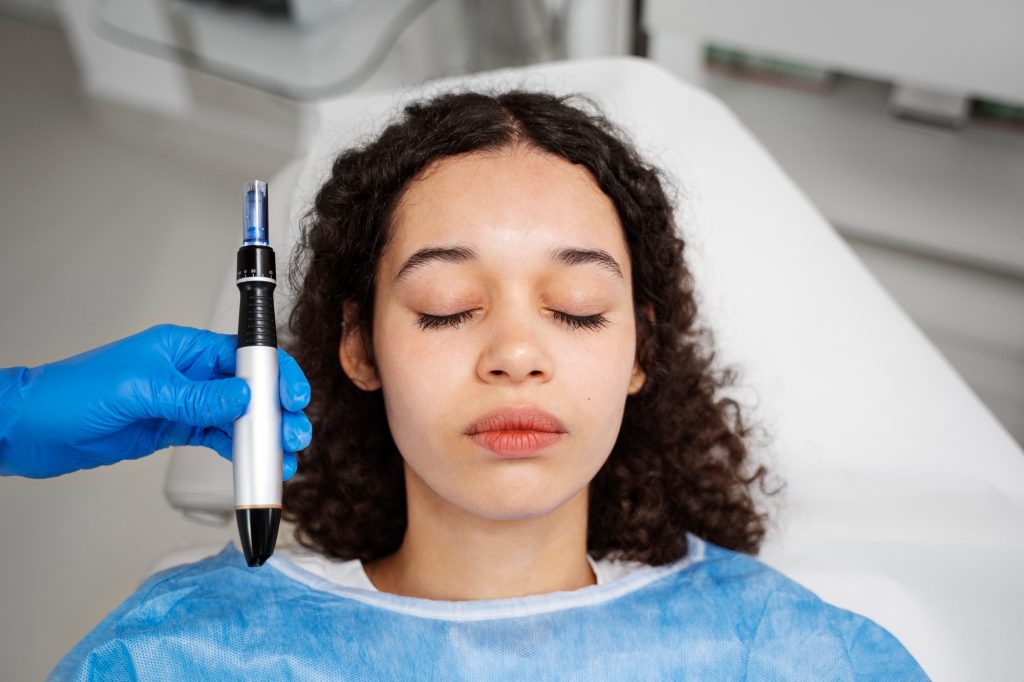
Microneedling is a popular skin rejuvenation technique that relies on creating controlled micro-injuries in the skin to stimulate the body’s natural healing processes. It is well established in professional settings, but there is growing interest in performing microneedling at home. For those looking to explore this option, it is important to consider the benefits, the correct method, and safety precautions. Before starting your home treatment, ensure you have a suitable microneedling pen at home to achieve the best results.
Understanding Microneedling
Microneedling works by using tiny needles to create microchannels in the skin. This process stimulates collagen production and enhances the absorption of skincare products. The procedure can help reduce the appearance of scars, wrinkles, and enlarged pores, giving skin a smoother and more youthful appearance.
The Rise of At-Home Microneedling
In recent years, there has been a surge in the availability of at-home microneedling devices. These tools enable individuals to achieve similar results to professional treatments from the comfort of their homes. Home devices are often less intense but designed for regular use, making them an accessible option for many.
Choosing the Right Microneedling Pen
Selecting the appropriate microneedling pen is crucial for effective and safe treatment. Home-use pens typically feature shorter needles than professional devices, ensuring safety while still delivering beneficial effects. Brands like Dermapen offer a range of options tailored for home use.
Preparation Steps Before Microneedling
Preparation is vital to maximise the effectiveness of microneedling. Start by thoroughly cleansing your skin to remove dirt and oil. It is also advisable to apply a numbing cream if you have sensitive skin. Ensure your microneedling pen is sterilised and in good working condition before use.
Conducting the Microneedling Process
Begin microneedling by dividing your face into sections to ensure a systematic approach. Gently roll the pen over each area, applying light pressure. Avoid sensitive areas such as the eyelids. Insufficient pressure may yield suboptimal results, while excessive pressure can cause irritation.
Post-Treatment Care
Post-microneedling care is essential to promote healing and maximise the benefits of the treatment. Use a gentle cleanser and apply a soothing serum to alleviate redness. Avoid makeup and sun exposure immediately after the procedure to prevent irritation.
Frequency of Treatment
The frequency of microneedling sessions depends on the skin’s response and individual goals. Typically, treatments are performed every four to six weeks. Overdoing it can lead to skin damage rather than improvement, so it is important to follow a suitable schedule.
Benefits of Regular Microneedling
Regular microneedling can significantly enhance skin texture and appearance. It can also be particularly effective for targeting specific concerns like acne scars and hyperpigmentation. Consistent treatment leads to gradual, cumulative improvements over time.
Safety Considerations
Safety is paramount when performing microneedling at home. Always follow the manufacturer’s guidelines and discontinue use if you experience adverse effects. It is also advised to consult with a dermatologist if you have existing skin conditions or concerns.
Potential Risks and Side Effects
While microneedling is generally safe, it can cause temporary redness, swelling, and discomfort. More serious risks include infection and scarring, particularly if the pen is not used correctly. Proper hygiene and technique minimise these risks.
Conclusion
Using a microneedling pen at home can be a convenient and effective way to improve skin health and appearance. Understanding the process, precautions, and commitment required is key to achieving the best results. By selecting a high-quality tool and following the correct procedures, individuals can transform their skin safely and effectively.