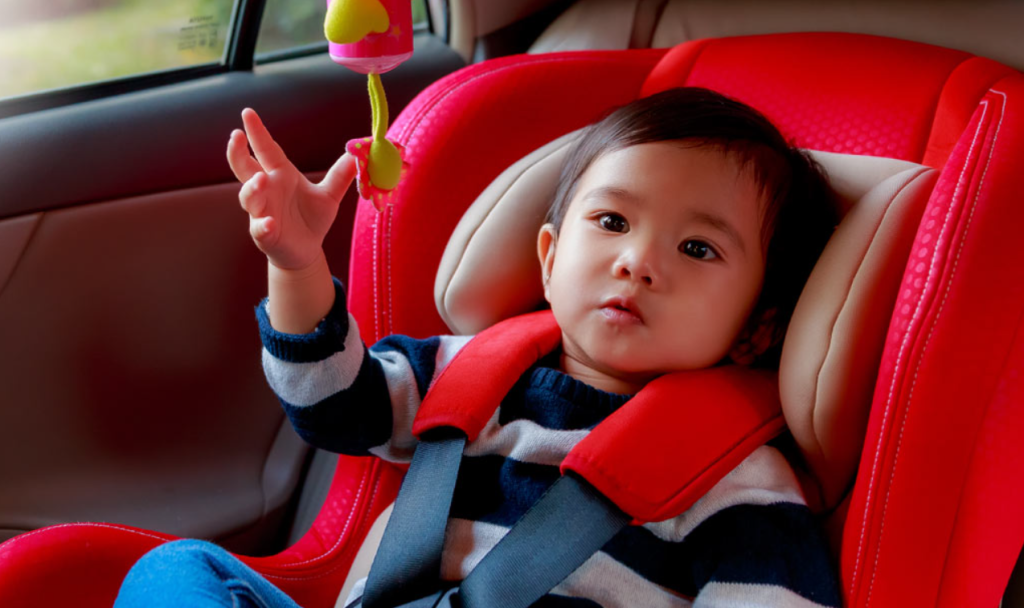
For many families, car rides are simply part of everyday life. A quick drive to school in the morning, a short trip to the supermarket, or a visit to grandparents across town rarely feels dangerous. Because these journeys are routine and familiar, parents often focus more on convenience and time than on potential risks. Yet behind these seemingly harmless trips lies a reality that many people overlook: everyday car rides can carry invisible dangers, especially for young passengers.
Road safety discussions often focus on highways, long-distance travel, or high-speed collisions. However, studies in traffic safety consistently show that a large portion of car accidents occur close to home. The very trips that feel safest—those quick drives through familiar neighborhoods—can become dangerous in seconds. When children are involved, the consequences can be even more serious.
Why Short Trips Can Be Misleading
Short journeys tend to create a false sense of security. Parents might believe that driving slowly through residential streets eliminates the risk of accidents. In reality, many traffic incidents occur in areas with moderate speeds and frequent stops, such as city streets and suburban neighborhoods.
These environments often involve unpredictable factors: pedestrians crossing unexpectedly, cyclists weaving through traffic, sudden braking at intersections, or distracted drivers. Even a minor collision at a relatively low speed can create strong forces inside the vehicle. For adults wearing seatbelts, these forces are usually manageable. For children, however, the situation can be very different.
Young bodies are still developing. Their bones are softer, their muscles less capable of absorbing shock, and their heads proportionally larger compared to the rest of their bodies. Without proper protection, the sudden movement caused by a quick stop or collision can lead to serious injuries.
The Problem with Adult Safety Systems
Most vehicles are designed primarily for adult passengers. Seatbelts, airbag deployment zones, and seating positions are engineered based on adult body proportions. When children ride in a car without specialized restraints, they are often using safety equipment that does not fit their size or anatomy.
A seatbelt that crosses the chest of an adult might sit dangerously close to a child’s neck. The lap belt may rest on the stomach instead of the pelvis, which can increase the risk of internal injuries during a crash. Even the positioning of airbags can present risks if children are not seated properly.
This mismatch between adult-oriented safety systems and children’s physical needs is one of the reasons child passenger safety has become such an important topic among transportation experts and pediatric safety organizations.
Everyday Distractions Increase Risk
Another factor that contributes to the hidden dangers of everyday driving is distraction. Parents driving with children often manage multiple tasks simultaneously—talking to kids in the back seat, adjusting music, checking navigation, or responding to questions during the ride.
While these actions seem harmless, they can briefly shift a driver’s attention away from the road. It only takes a fraction of a second for an unexpected situation to occur, such as a sudden stop by the car ahead or a pedestrian stepping into the street.
When an accident happens, the difference between serious injury and minor impact often comes down to preparation. Proper seating, correct restraints, and protective equipment can significantly reduce the risk of harm to young passengers.
Building Awareness Among Parents
In recent years, awareness about child passenger safety has grown among parents around the world. Pediatricians, road safety organizations, and child safety advocates increasingly emphasize the importance of using properly designed child restraint systems during car travel.
These systems are specifically engineered to protect children by distributing crash forces across stronger parts of the body and limiting dangerous movement during sudden impacts. They also help ensure that children remain securely positioned throughout the ride.
For parents trying to navigate the many options available, reliable information can make a significant difference. Parents who want to learn more about choosing the right car seat can explore practical guidance at https://babyhillsthailand.com/car-seat-for-baby/ . Resources like this help families better understand how different types of car seats work and how to select one that matches their child’s age, weight, and height.
The Role of Habit in Safety
One of the most effective ways to improve child passenger safety is simply by creating consistent habits. When children are placed in proper restraints every time they enter the vehicle, safety becomes a normal part of daily life rather than an occasional precaution.
Establishing these habits early also helps children develop a sense of routine around safe travel. Just as they learn to buckle seatbelts or hold an adult’s hand when crossing the street, they become familiar with the expectation of sitting securely during car rides.
Over time, these habits can contribute to a culture of safety within families and communities.
Looking Beyond the Obvious
The greatest risks are not always the most visible ones. Long highway drives may appear more dangerous than a short neighborhood trip, but statistics often tell a different story. Everyday journeys—those quick, familiar drives that feel completely routine—can present real hazards when safety precautions are overlooked.
Recognizing this reality allows parents to make more informed decisions about how they transport their children. By understanding the limitations of standard vehicle safety systems and adopting practices that prioritize child protection, families can significantly reduce the potential dangers associated with everyday car rides.
A Safer Road Ahead
Protecting children on the road does not require complicated solutions. Often, it begins with awareness—recognizing that even the most ordinary trip carries some level of risk. From there, small but consistent choices can make a meaningful difference.
Ensuring that children are properly secured during every ride helps create a safer environment inside the vehicle. Over time, these actions contribute not only to the safety of individual families but also to a broader culture that values responsible travel.
Every journey with a child is an opportunity to prioritize safety. By paying closer attention to the invisible risks of everyday car rides, parents can help ensure that each trip—no matter how short—remains a safe one.